
Why Base Layers Matter: What Goes Under Concrete and Asphalt Surfaces
May 20, 2026
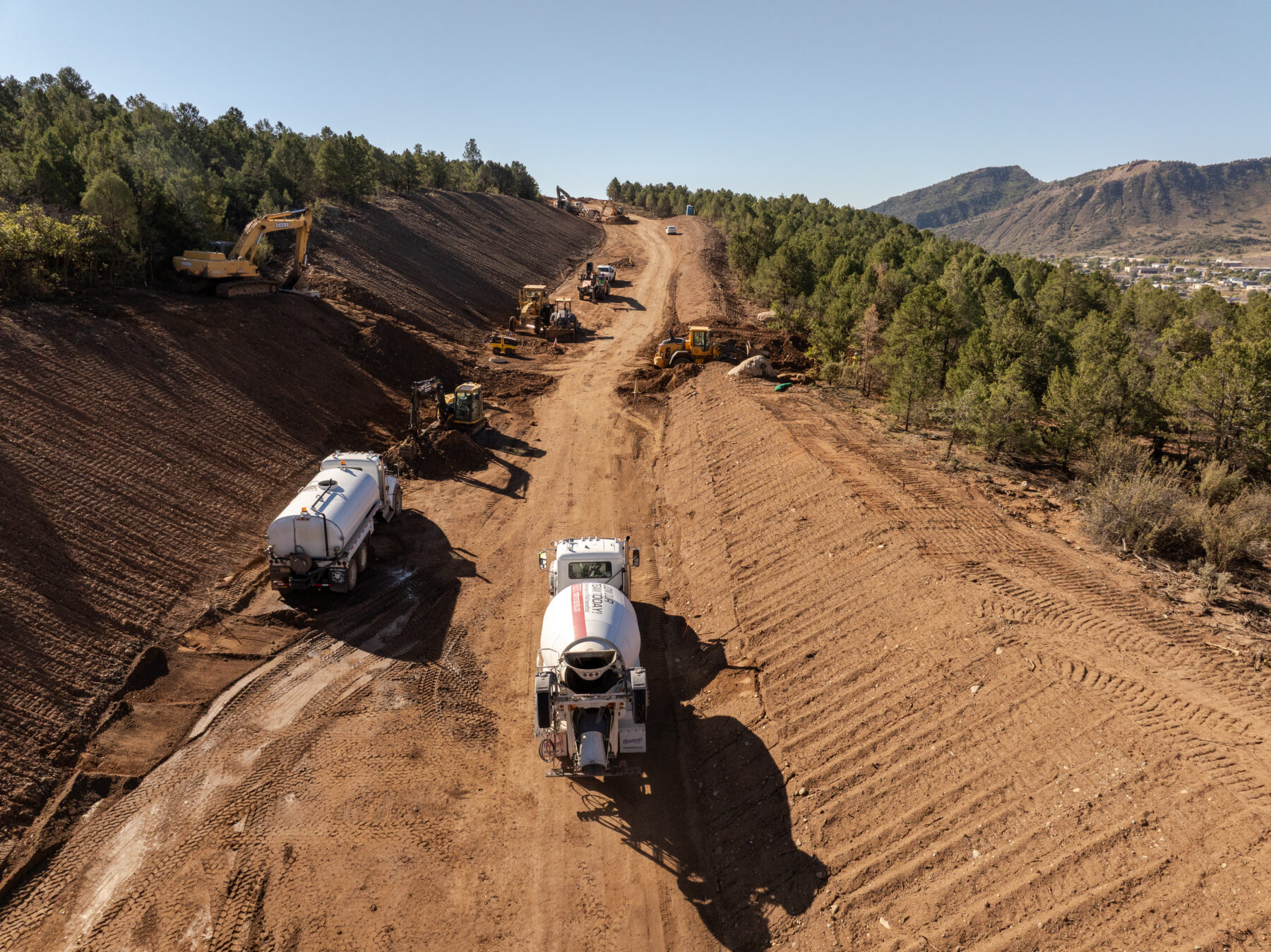
Every concrete slab and asphalt surface begins with work that happens well before the pour. The base layer is where load distribution, moisture movement, and surface stability are established, before a yard of concrete is poured or a ton of asphalt is placed. What goes into that foundational layer directly shapes how the finished surface carries traffic, responds to seasonal stress, and holds its structural integrity through years of use.
The Layer System Beneath Every Surface
Beneath any concrete slab or asphalt pavement lies a sequence of engineered layers, each serving a specific structural role. The subbase typically consists of compacted native soil or improved subgrade material, while the base course above it is built from crushed aggregate that bears and distributes load. That aggregate layer bridges the gap between soft or variable soil below and the rigid or flexible surface above. Adequate depth and properly selected aggregate in that zone are what keep surface cracking, settlement, and edge failure from developing ahead of any maintenance schedule.
Crushed stone with angular faces and tightly controlled gradation is the specified material in base course applications for a reason. Those angular faces interlock under compaction, creating a particle network that resists lateral movement and holds its position under load. Rounded or poorly graded material shifts under repeated loading cycles because the contact points between particles lack the mechanical interlocking that angular faces create. The gradation range, from coarse to fine, directly affects how tightly the base packs and how well it handles moisture without softening or losing bearing capacity.
How Moisture Moves Through a Base
Water is the primary driver of base failure. A well-graded, permeable base layer moves water through rather than allowing it to pond at the surface-base interface, which is where freeze-thaw damage typically originates. When moisture becomes trapped below a surface that cannot drain, the freeze cycle expands that water into ice lenses that lift and crack the concrete or asphalt above. A base constructed with proper drainage considerations in mind, through appropriate aggregate size, adequate slope, and sometimes geotextile separation fabric, keeps moisture moving out of the profile rather than sitting in it.
Inconsistent bearing capacity below the base course translates into uneven load distribution at the surface. Those weak zones, whether from soft spots, organic material, or variable soil conditions, compress differently than surrounding subgrade, and the result shows up as dips, cracks, or joint separation that goes deeper than the surface itself. Full subgrade evaluation and remediation before base placement is a required part of every lasting surface project; that step sets the conditions for a 20-year service cycle and shifts the maintenance timeline accordingly.
Aggregate Depth and Load Requirements
Load demand dictates base thickness, and that calculation does not change regardless of what surface material goes on top. A residential concrete driveway might sit on four to six inches of compacted crushed stone, while a logistics yard designed for loaded semi-trucks requires significantly deeper base sections, sometimes twelve inches or more, to prevent base shear failure under repeated heavy axle loads. Concrete or asphalt can only distribute load through the base it has been given to work with.
Particle density at the time of compaction determines the bearing capacity the base will carry into service. Moisture content during that process affects how densely particles lock together; material that is too dry or too wet at compaction does not reach the same bearing capacity as material placed at optimum moisture. Nuclear density gauges or sand cone tests verify that compaction has reached the specified percentage of maximum dry density, and those numbers matter because under-compacted base continues to settle after the surface is placed.
What Surface Problems Often Signal
Repeated loading cycles on an under-built base register at the surface through cracking, settlement, and joint separation once the base structure can no longer redistribute the load. Reflective cracking in concrete traces back to movement in the base or subgrade rather than failure in the surface itself. Alligator cracking in asphalt, the interconnected web pattern that signals structural fatigue, typically indicates base saturation or inadequate depth for the loads being carried. Lasting repairs on those surfaces start below grade, at the base and subgrade level, where the structural demand originates.
Properly graded, compacted, and drained base materials are what a concrete or asphalt surface stands on through decades of load cycles, seasonal shift, and environmental exposure. Sourcing aggregate from a supplier with consistent gradation control, documented material specifications, and regional site knowledge is how projects stay on the right service timeline from the start. As a local aggregate supplier, contact us to discuss base material specifications for the next project and get material matched to the conditions it’s sure to face.