
The Science of Gravel and Sand in Commercial Drainage Systems
September 2, 2025
Commercial drainage systems are built on precision and strength, with gravel and sand playing a central role in their success. These materials bring stability, durability, and steady water movement, making them indispensable to designs that prioritize consistent performance and long-term efficiency.
The Role of Gravel in Drainage
Gravel plays a foundational role in creating pathways for water to move freely. Its angular, open-graded structure allows water to pass through while maintaining stability in the surrounding soil. This reduces the risk of pooling and pressure build-up, both of which can compromise the integrity of paved surfaces and surrounding structures.
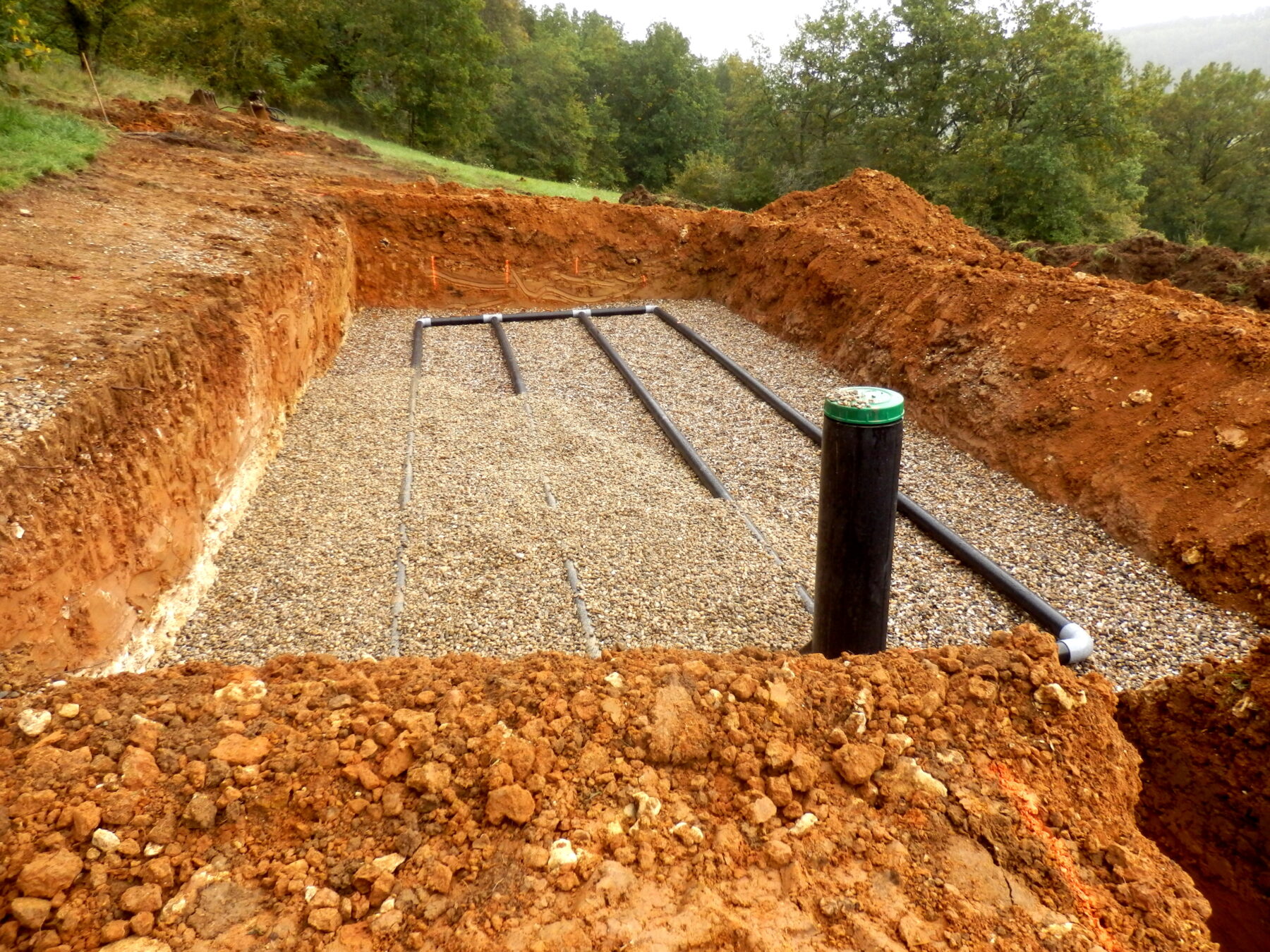
In larger-scale commercial drainage systems, gravel is often used to surround perforated pipes, ensuring that water reaches the pipe without clogging from fine soil particles. The varied sizes of aggregate used in these applications create voids that keep the system flowing even during heavy rainfall events. Beyond function, gravel also provides strength, supporting the overall weight of commercial loads and traffic above.
The Role of Sand in Drainage
While gravel provides void space, sand works as a natural filter. Its fine particles help prevent the movement of soils into drainage channels, acting as a buffer layer. When placed alongside gravel, sand reduces sediment infiltration, which could otherwise clog drainage pipes and shorten the lifespan of the system.
Sand is especially important in projects where groundwater movement needs to be controlled. By slowing down water infiltration slightly, it reduces erosion risks and improves the longevity of surrounding surfaces. In commercial developments, this means more reliable pavement performance and reduced maintenance costs over time.
Creating Balance with Layered Systems
The science of effective drainage often comes down to balance. A layered approach, using gravel and sand together, delivers both permeability and filtration. Gravel handles water volume, while sand refines the flow by managing fines and sediment. This combination ensures that commercial drainage systems perform consistently in both everyday conditions and extreme weather events.
Engineers carefully design the gradation of these materials to meet specific project requirements. For example, larger aggregates may be selected for high-volume water movement, while finer sands are chosen for areas that need more filtration control. By tailoring the blend of gravel and sand, systems are built to handle both flow and the demands of commercial use.
Long-Term Benefits of Gravel and Sand in Drainage
These engineered combinations deliver benefits that extend far beyond immediate drainage needs. When properly designed, drainage systems built with gravel and sand provide measurable long-term advantages. They reduce waterlogging that can weaken foundations, prevent erosion around paved areas, and extend the life of both asphalt and concrete surfaces. The natural properties of these materials also mean they remain durable under changing environmental conditions, minimizing the need for frequent replacement.
For commercial properties, the use of gravel and sand translates into stronger infrastructure, safer environments, and reduced repair costs. It is an investment in both functionality and resilience, ensuring that businesses can operate without disruption caused by poor water management.
The science behind gravel and sand in commercial drainage systems demonstrates how fundamental materials can solve complex engineering challenges. By leveraging gravel’s permeability and sand’s filtration properties, these systems handle the demanding requirements of commercial environments while providing decades of reliable performance. When specification and installation are done right, the result is infrastructure that works as intended from day one and continues performing long into the future.