
The Role of Aggregate Quality in Long-Lasting Asphalt and Concrete Performance
June 29, 2026
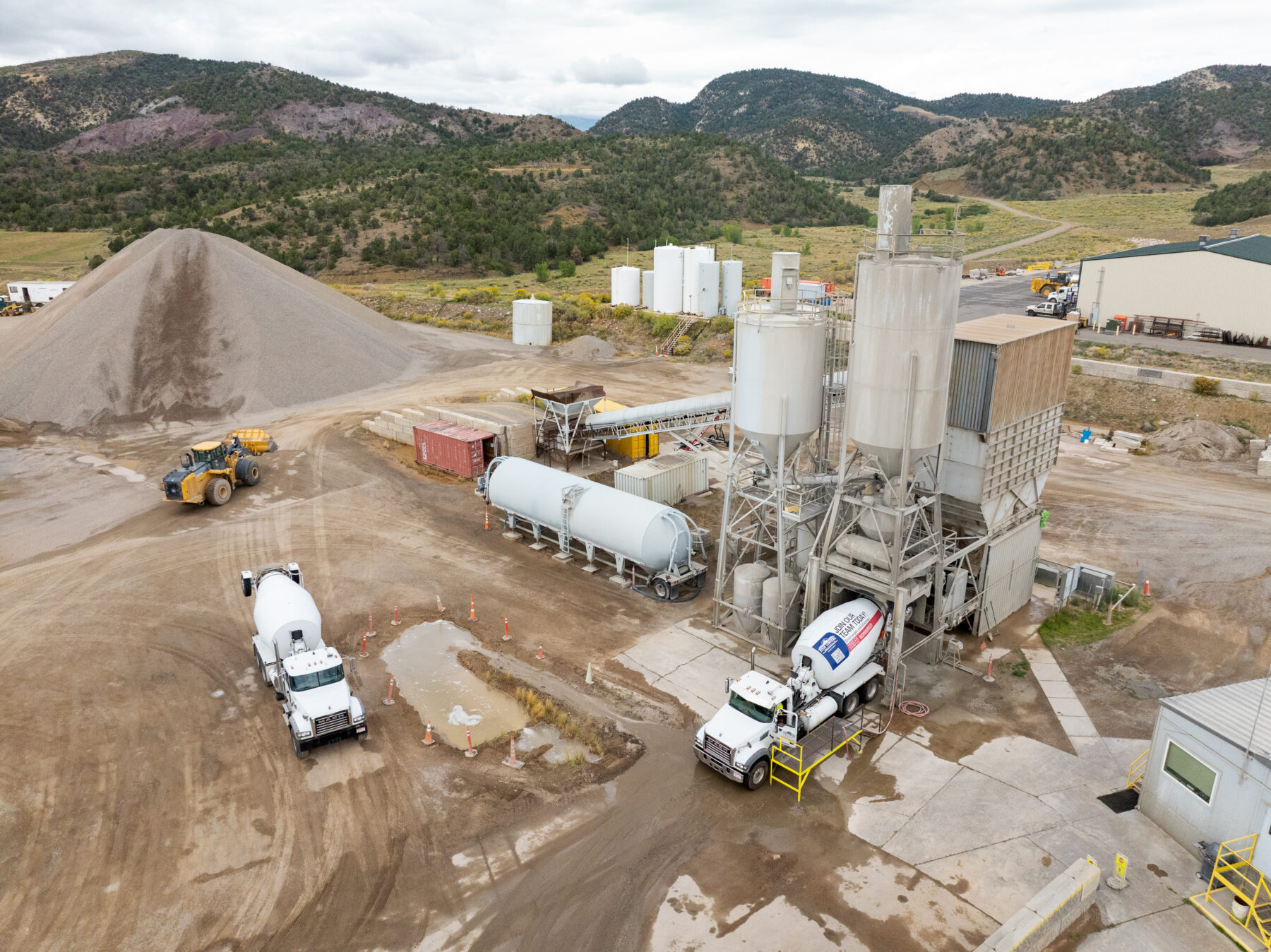
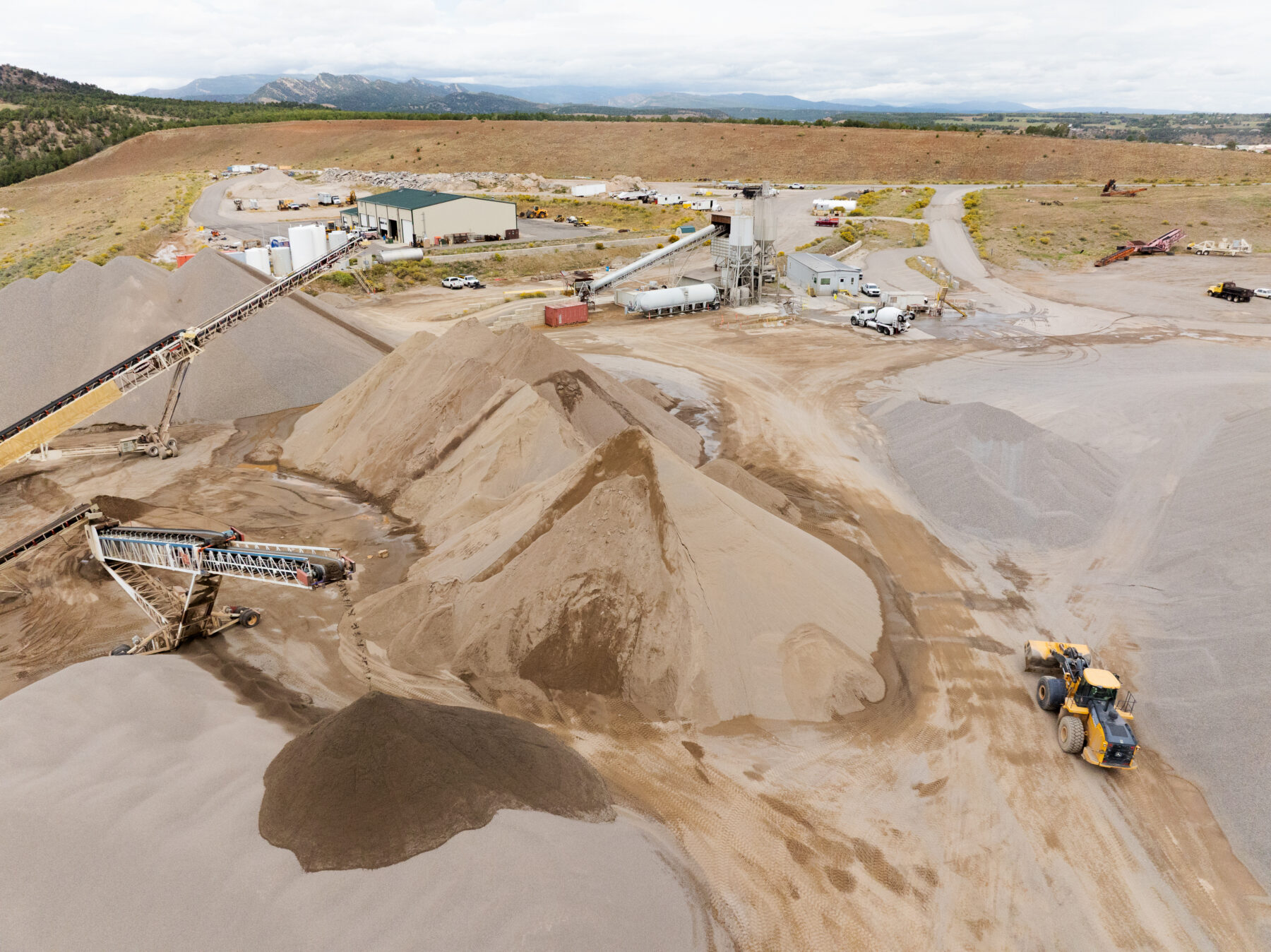 Aggregate quality plays a major role in how asphalt and concrete perform over time, affecting everything from strength and stability to surface life under traffic and weather. That means that placement, curing, and the repeated demands of traffic and freeze cycles, are all impacted. Gradation distribution and particle shape control how particles nest and interlock inside a mix, and how the finished surface responds to load and thermal movement. Consequently, aggregates produced to tight specification standards set a measurable structural foundation for mix integrity and finished-surface behavior.
What Aggregate Quality Controls
Within any asphalt or concrete mix, gradation controls the void structure. When particle sizes are distributed across a controlled range, larger and smaller particles nest together and reduce the internal air space that moisture and deicing chemicals can occupy. A gap in that distribution creates pockets where movement occurs under load, which shortens the surface’s service life before cracking or rutting develops.
Particle shape works alongside gradation to determine how aggregate locks together under compression. Crushed, angular aggregate creates mechanical interlock that rounded, naturally worn material cannot replicate. In asphalt, that interlock resists shear under heavy axle loads; in concrete mixes, crushed surfaces give cement paste more contact area, which tightens the aggregate-paste bond and limits internal movement after placement.
When clay coatings or fine dust remain on aggregate surfaces, they interfere with binder adhesion in asphalt and weaken paste bonds in concrete. Both conditions lead to early raveling in asphalt surfaces and reduced load-carrying capacity in slabs and structural pours. Washed and screened aggregate removes that interference before it reaches the mix.
How Aggregate Drives Asphalt Mix Behavior
Hot mix asphalt functions as a bound aggregate structure, and aggregate carries most of the structural load. Binder holds particles together, but the load path runs through particle-to-particle contact. Well-graded crushed aggregate creates a tighter contact network that distributes axle weight more evenly across the mat and resists rutting under repeated heavy vehicle passes.
At the aggregate level, surface texture determines how much friction a finished mat maintains under traffic. Smooth, rounded particles polish quickly and reduce surface friction as traffic volume climbs. Crushed aggregate with rougher faces holds texture through traffic cycles, which matters on high-volume state routes and airport aprons where surface friction standards are part of the project specification.
Temperature swings across the Four Corners region place repeated contraction and expansion demands on asphalt surfaces through the seasons. Aggregate with sound mineralogy and low absorption resists moisture intrusion during freeze cycles, keeping stripping and edge cracking from advancing into the mat. High-elevation paving projects across the region carry these seasonal demands through every lift placed.
How Aggregate Affects Concrete Mix Behavior
In concrete, aggregate fills the majority of the volume while cement paste bridges the gaps and carries binding strength. Well-controlled gradation reduces the paste volume needed to fill voids, which keeps shrinkage lower during curing and reduces the internal stress that leads to surface cracking.
For concrete exposed to freeze/thaw cycles, aggregate absorption rate and pore structure become critical variables. High-absorption aggregate draws in water and expands during freeze cycles, generating internal pressure that fractures the paste-aggregate bond. Dense, low-absorption material holds its geometry through seasonal cycling and keeps the slab matrix intact.
Concrete strength specifications also depend on aggregate integrity. A mix batched to 4500 psi requires aggregate that won’t fracture before the paste does under load. Soft or friable particles create weak points inside an otherwise well-specified mix, capping the effective load-carrying capacity well below what the design strength would suggest.
Specification Testing: Where Quality Gets Confirmed
Before any aggregate reaches a project, it passes through a documented testing protocol covering gradation, LA abrasion resistance, soundness under sulfate cycling, flat and elongated particle ratios, and sand equivalent values. Each test addresses a specific physical failure mode rather than a general estimate of quality.
Traceable testing documentation gives project teams confirmed material behavior before placement begins. For projects subject to CDOT or NMDOT oversight, FAA requirements, or Bureau of Reclamation standards, that record is part of the project file and confirms the material matches the specification the design was built around. Aggregate that meets those standards before batching removes a variable from every pour and every pass.
Four Corners Materials produces specification aggregates, ready-mixed concrete, and hot mix asphalt across its plant network in southwest Colorado and northwest New Mexico. Request a quote or contact the nearest location to discuss aggregate specifications for your next project.