
The Importance of Gravel Foundations for Wind Farm Infrastructure
November 7, 2025
Renewable energy continues to expand through innovation, but its success is rooted in the strength of its foundations. Wind farms rely on precise engineering through the entire build phase, with gravel serving as a cornerstone material for long-term stability. From anchoring turbine bases to reinforcing access roads and cable corridors, gravel delivers the structural integrity that ensures consistent performance. Its balance of load-bearing strength, drainage capability, and resilience makes it a trusted choice across modern energy infrastructure.
Creating Stability for Turbine Foundations
Wind turbines rely on foundations that can manage immense static and dynamic loads. Each tower must withstand the combined effects of wind pressure, vibration, and rotational movement over decades of operation. Gravel forms the essential subbase for these foundations, distributing weight evenly and preventing settlement that could compromise balance. The angular structure of crushed stone interlocks under compaction, creating a firm yet adaptable base capable of absorbing vibration and resisting displacement. This interaction between gravel and reinforced concrete foundations ensures a long-term, stable platform for each turbine installation.
The ability of gravel to provide both strength and flexibility also contributes to safety and longevity. As turbines grow taller and more powerful, the stress placed on their foundations increases. A well-engineered gravel layer helps manage these forces by improving the performance of the concrete mat or pedestal above it. This relationship between aggregate and structural concrete underscores how foundational materials directly influence energy generation reliability.
Supporting Access Roads and Transport Routes
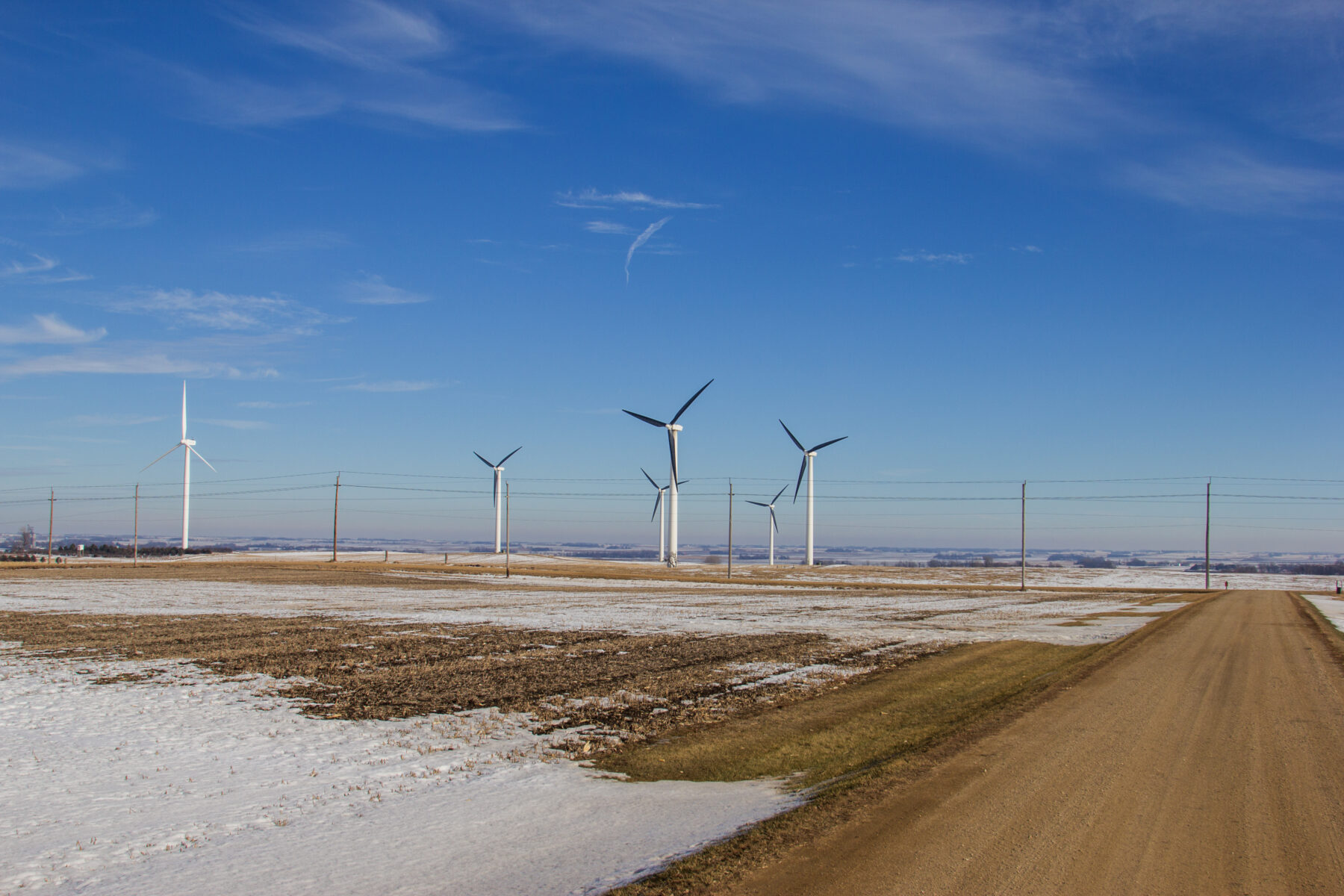
Before a single turbine is installed, every component, from blades to nacelles, must be delivered across often remote or uneven terrain. Gravel provides the stable base needed to construct access roads that can handle heavy transport vehicles without deformation or rutting. When properly graded and compacted, it forms surfaces that drain efficiently, maintaining accessibility even in wet or changing weather conditions. These gravel routes are not temporary infrastructure; they remain essential for ongoing maintenance, equipment transport, and emergency access throughout the operational life of the wind farm.
The performance of these roads depends on careful material selection. Washed and angular aggregates are preferred for their compaction strength and resistance to movement under load. This prevents uneven settling and helps preserve the integrity of the road surface. By establishing dependable access, gravel supports every phase of the wind farm’s lifecycle, from initial construction to long-term service operations.
Enhancing Drainage and Environmental Protection
Effective water management plays an essential role in maintaining both foundation integrity and environmental balance. Gravel’s natural permeability allows water to pass through subbase layers, preventing pooling and relieving hydrostatic pressure on turbine structures. In coastal and upland regions where water movement varies, this built-in drainage helps stabilize surrounding soils and control erosion. The outcome is infrastructure designed to work seamlessly with its natural surroundings, supporting durability and sustainability in equal measure.
Gravel also serves as a buffer in environmentally sensitive areas. Its ability to filter runoff reduces sediment movement into nearby waterways, protecting local habitats. For wind farms designed to meet sustainability goals, using locally sourced gravel further enhances the environmental profile of the project by reducing transportation emissions and supporting regional material suppliers.
Wind farm infrastructure thrives on materials that unite strength, endurance, and adaptability, and gravel stands at the center of that equation. By forming the base for turbine foundations, reinforcing access routes, and enhancing site drainage, it supports every phase of construction and operation. Its performance embodies a core engineering truth, in that reliability is foundational. As renewable energy continues to grow, gravel remains fundamental to that progress, providing the stability and resilience that allow clean power systems to perform with confidence for decades.