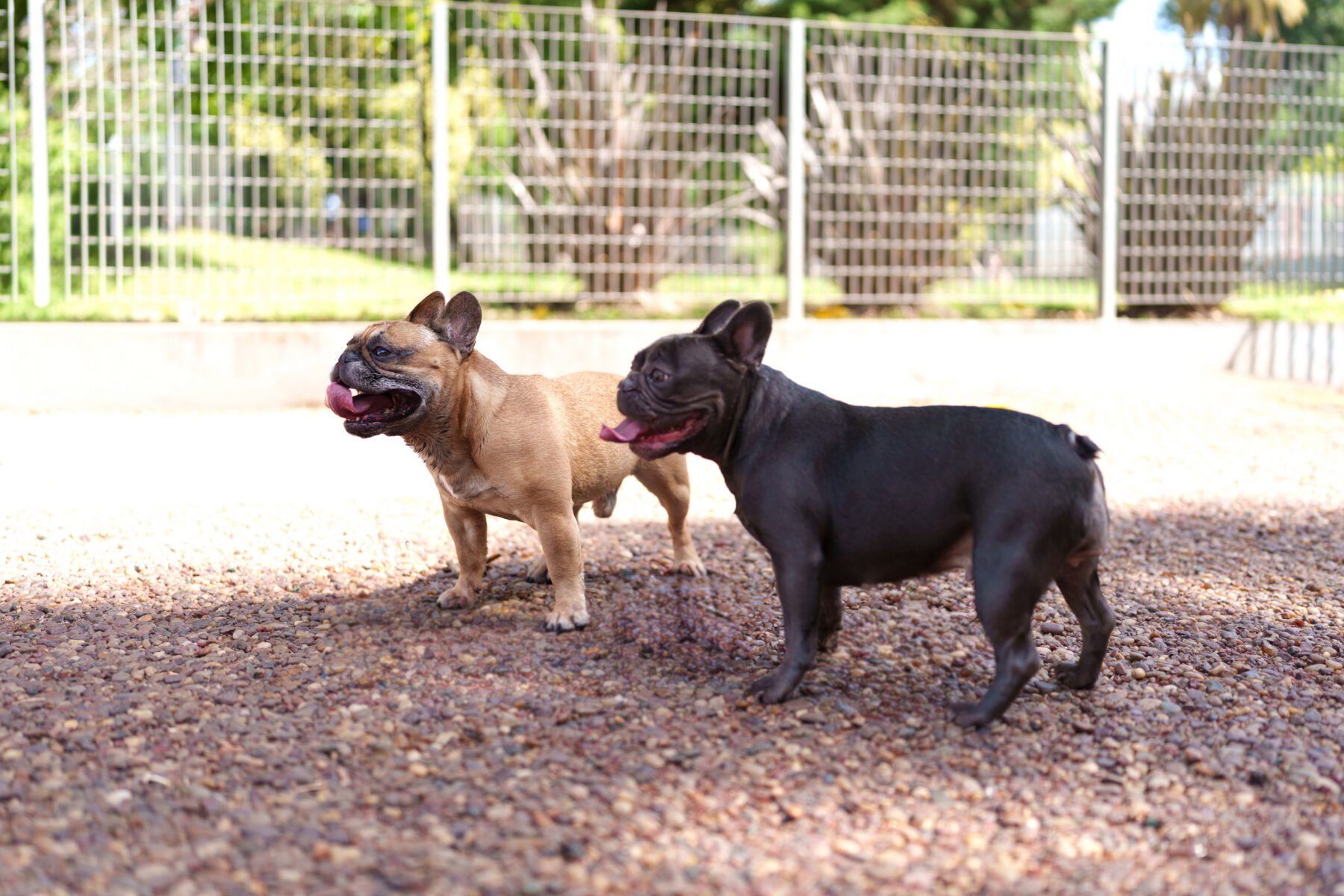

5 Tips For Building a Gravel and Stone Dog Run
March 12, 2026
Daily movement concentrates wear in ways most surfaces never experience. Dogs track moisture, turn sharply, and apply pressure in the same paths again and again, pushing material out of place if the surface lacks structure. A gravel and stone dog run built around those forces stays level, drains cleanly, and avoids constant touch-ups. Getting there depends on how the base, stone, and perimeter work together once the run is in use.
- Excavate to Stable Soil and Lock the Base in Place
Surface problems usually show up after activity begins, but the cause sits below grade. Soft soil compresses under repeated movement, pulling stone downward and creating uneven spots. Removing loose material until firm ground is exposed gives the base something solid to bear against.
Crushed stone compacted in layers spreads load across the footprint instead of letting pressure concentrate in high-traffic zones. Angular faces bind together during compaction, limiting vertical movement and keeping the surface layer from drifting into the base. That stability sets the tone for how the run holds its shape over time.
- Select Stone That Stays Put Under Constant Motion
Footing changes quickly when material doesn’t stay in place. Rounded gravel tends to shift, scattering toward edges and thinning out in the center where activity is highest. Dogs accelerate that movement through running and sudden direction changes.
Angular stone behaves differently. Once compacted, the fractured faces interlock and resist lateral movement, keeping coverage consistent across the run. A controlled stone size supports comfortable footing while reducing the loose pockets that invite digging and tracking.
- Shape the Surface to Move Water Away, Not Around
Water exposes weaknesses in surface construction almost immediately. Low spots collect moisture, soften the base, and encourage stone to migrate. Establishing a gentle grade gives water a clear exit path instead of allowing it to settle into the run.
Stone selection reinforces that flow. Fines-heavy material slows drainage, while oversized stone creates voids that shift under load. A well-graded aggregate layer allows water to pass through while maintaining even contact at the surface, keeping the run usable after rain or cleaning.
- Hold the Edges Firm to Preserve Surface Depth
Material displacement often starts at the perimeter. Repeated movement pushes stone outward, especially along fences where traffic concentrates. Without restraint, surface depth decreases and base material begins to show.
Edging installed into the compacted base acts as a physical stop. Whether concrete, lumber, or metal restraint is used, anchoring the perimeter keeps stone where it belongs and maintains consistent depth across the run. Defined edges also limit cleanup by preventing material from spreading into surrounding areas.
- Plan for Light Maintenance, Not Constant Repair
Even the best run benefits from occasional attention. Allowing enough surface depth supports light raking and minor topping without disturbing the base. Consistent stone thickness keeps drainage and footing predictable across the entire area.
Maintenance stays manageable when material selection is a primary focus. Angular stone resists tracking and displacement, reducing how often adjustments are needed. Periodic checks of surface grade and edging keep the run functioning as intended through every season.
A gravel and stone dog run persists all kinds of conditions when design choices respond to movement, moisture, and erratic traffic. Stable bases limit settlement, interlocking stone controls displacement, and firm edges preserve surface depth. Drainage planning keeps the area clean and usable, while smart material selection reduces upkeep. The goal is a surface that withstands any amount of K-9 activity.