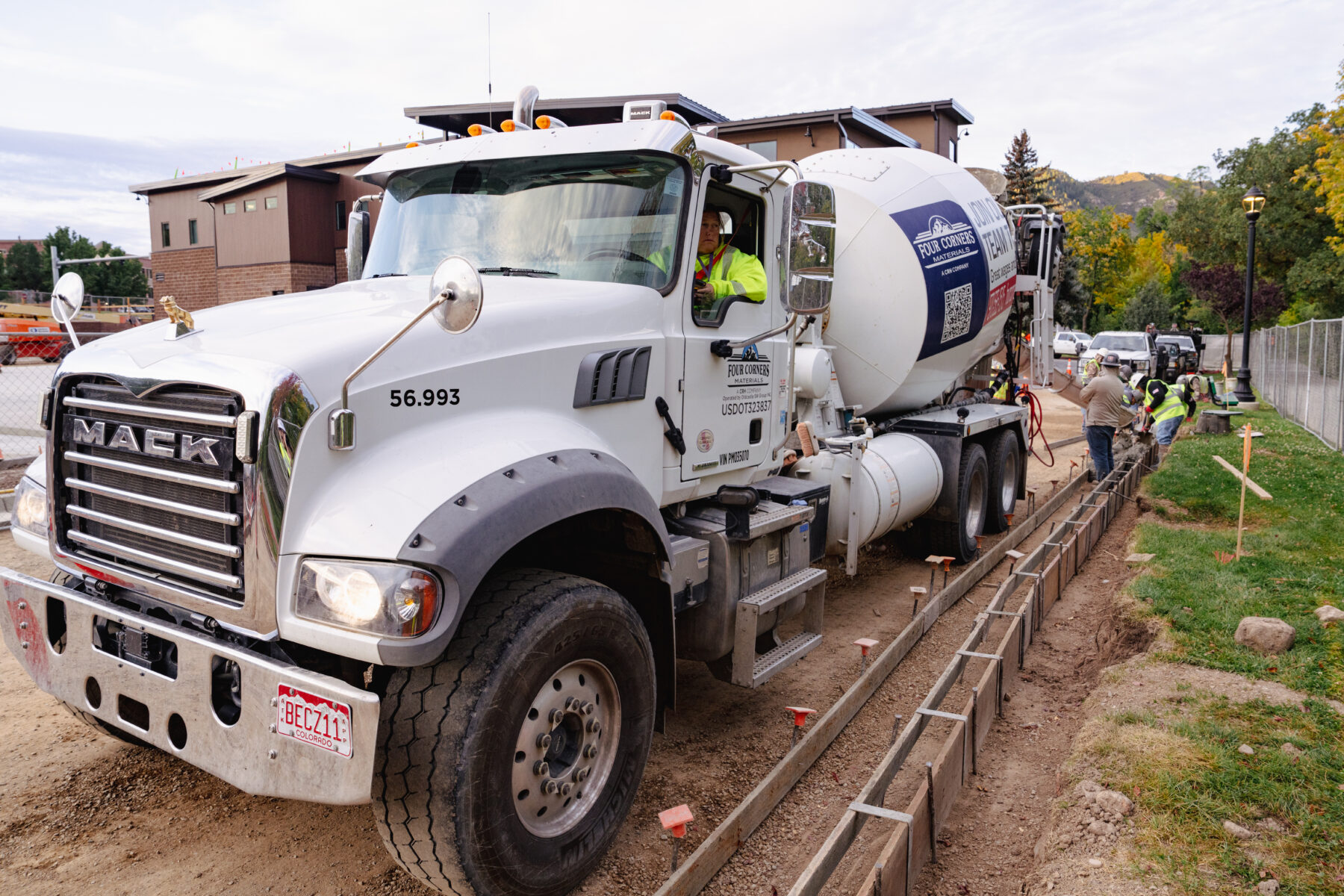

4 Common Concrete Specification Mistakes That Can Lead to Costly Project Delays
August 4, 2026
A concrete order looks simple on paper: a psi number, a slump range, maybe a delivery date. What gets written into that order determines how the mix handles the environmental factors and how soon a crew can start finishing once it’s poured. There are some specification details that are often overlooked, and each one is straightforward to correct once it is flagged.
- Ordering PSI Without Matching Exposure Conditions
Lab cylinders measure the compression capacity behind a psi rating, not what that same mix experiences once it sits exposed to weather for years. Freeze-thaw cycling places different demands on a 4000 psi mix than a slab poured under cover, and a specification that stops at the psi number leaves exposure as an unanswered question. Water that works into surface pores and expands under repeated freezing produces scaling and surface pop-out, often well after a pour looks finished and crews have moved to the next phase. Elevation and seasonal freeze-thaw swings across the region push exposure conditions closer to severe than moderate on more projects than a generic specification template accounts for.
That psi class, once matched to an exposure category, ties mix design decisions to conditions at the surface instead of only to what a compression test shows weeks after the pour. A specification written for freeze-thaw exposure typically calls for a higher minimum psi than a standard interior slab, along with tighter air content limits that control how the paste handles ice formation inside the matrix. That distinction changes which mix design gets batched, and it changes what a crew should expect once cold weather actually arrives on site.
- Leaving Slump Range Out of the Specification
Slump measures how a mix moves once it leaves the drum, and it changes based on how that mix reaches its final position in the forms. A pump line calls for a different consistency than a direct chute into a wall form, and a crew that receives a load specified only by psi has no way to confirm whether that load will move through a boom cleanly or clog partway. Water added on site to loosen a stiff mix for pumping cuts back into the water-cement ratio the psi class was built around, trading one problem for a different one downstream. A slump range specified alongside psi puts placement method and mix design on the same page before the first load leaves the plant.
- Skipping Batch Timing and Haul Distance in the Order
Between the batch plant and the job site, drive time determines how much slump a load has left by the time it reaches the forms, since hydration begins the moment water and cement meet inside the drum. A specification that sets mix design but never confirms haul distance or truck spacing puts that timing question in the hands of dispatch instead of the project schedule. Loads that arrive too far apart on a large pour create cold joints where one section sets before the next section bonds to it, a seam that shows up in the finished slab regardless of how well each individual load met its psi requirement. Delivery intervals and acceptable haul time written into the specification put truck spacing under the pour plan instead of whatever gap the plant’s schedule happens to leave that day.
- Omitting Finishing and Curing Requirements From the Written Spec
A mix design sets how fast a slab gains psi, and that timeline determines when a crew can safely float and trowel the surface, then when joints can be cut without spalling the edges. A specification that addresses psi and slump but never states finishing windows or curing method leaves that timing to guesswork on site, which is where surface defects like crazing and uneven color most often start. Curing compound application and joint spacing both depend on the same set characteristics the mix design already defines, so leaving them out of the specification separates decisions that actually belong together. Finishing and curing requirements written into the same document as the mix design tie batching all the way through the final cut to one set of numbers instead of several assumptions.
Four Corners Materials batches ready mixed concrete from five plant locations across southwest Colorado and northwest New Mexico, with psi options built for freeze-thaw conditions common across the region and staff who translate project requirements into a complete written specification. Projects that start with that conversation move from the order to the final cut without a return trip to the drawing board.